Cost of Solar Panels in America: A Homeowner's Guide (2026)
Residential solar installations across the United States typically range from $15,000 to $30,000 before factoring in financing structure or incentive positioning. While that price range provides general context, actual affordability depends heavily on how the system is paid for and how local utility policies compensate solar production.
Check if you qualify for $0-down solar in Florida
Get matched with vetted local installers. No obligation, free personalized quotes.
Key Takeaways
- 1Installed solar systems commonly fall within the mid-five-figure range before financing considerations are applied.
- 2Electricity consumption determines recommended system size and overall project scale.
- 3Total installation pricing reflects equipment, permitting, inspection, engineering, and labor.
- 4Financial outcome depends more on payment structure and utility compensation than on sticker price alone.
How Installers Calculate System Size
Solar system sizing begins with annual electricity consumption. Installers review prior utility bills to determine how much energy a homeowner uses and what percentage of that usage the system should offset.
The chosen offset strategy directly impacts total installation cost.
What Makes Up Installation Cost
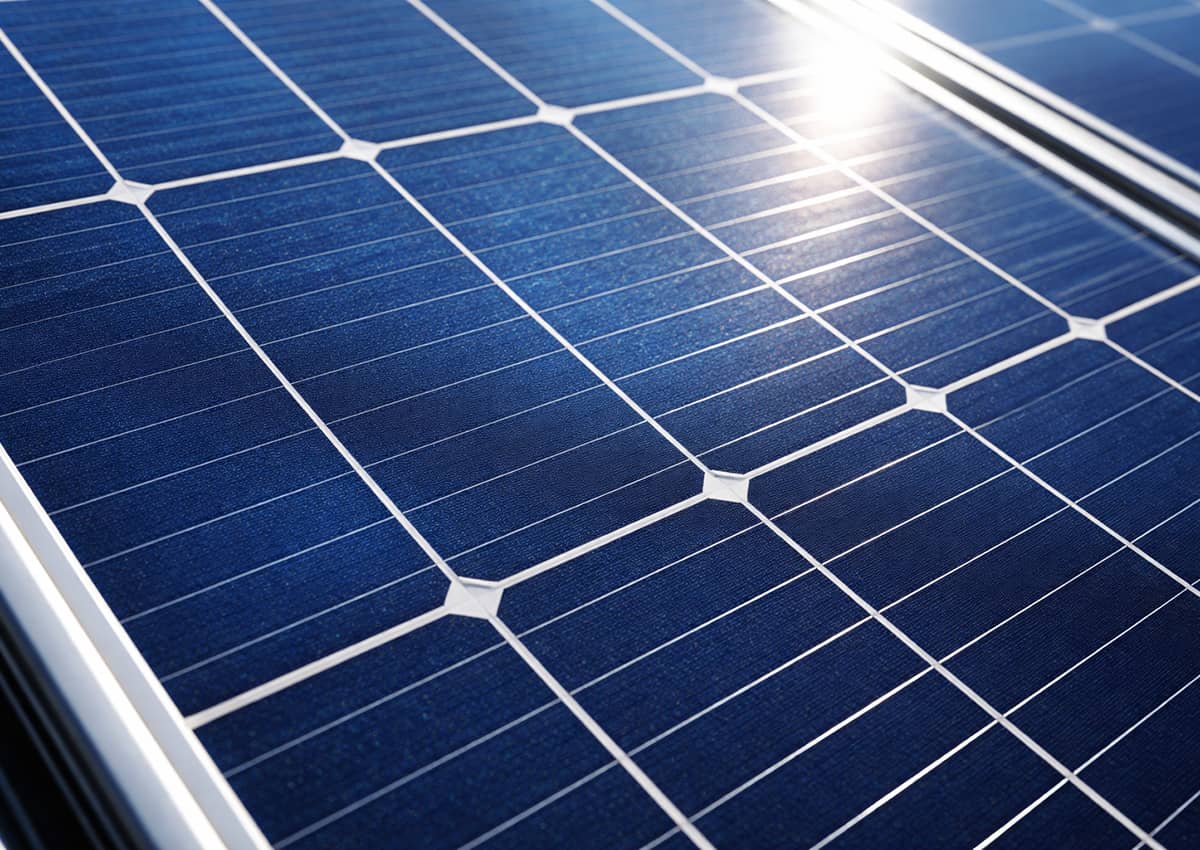
A solar proposal includes both hardware and regulatory compliance. Photovoltaic modules generate electricity, inverter systems convert that electricity into usable power, and mounting hardware secures equipment to the roof structure.
Equipment & Performance Considerations
Panel Technology
Most residential installations use monocrystalline solar panels due to efficiency and long-term durability. Higher efficiency allows more energy production within limited roof space.
Inverter Setup
Inverter configuration depends on roof design and shading exposure. Central inverters generally involve lower upfront investment, while microinverters provide panel-level optimization that may improve performance on complex roofs.
Battery Storage
Battery systems increase resilience by storing daytime production for evening use or outage protection. However, storage adds significant cost and should be evaluated based on local electricity pricing and reliability needs.
Regional Incentives & Utility Policies
Utility compensation structures vary widely. Some utilities credit exported electricity at retail rates, while others apply net billing or time-based valuation systems. These policies directly influence projected savings.
Certain states offer rebates, performance-based incentives, or property tax protections. Program availability changes over time, so confirming current local rules before installation is essential.
Federal Incentive Update
The 30% Residential Clean Energy Credit is no longer available to homeowners who purchase and directly own a solar system through cash or loan financing.
Previously, homeowners could claim 30% of system cost against federal income taxes. That homeowner-level credit has expired.
However, the 30% federal incentive remains available through the end of 2027 under third-party ownership structures such as solar leases and Power Purchase Agreements. In those arrangements, the solar provider claims the credit, not the homeowner.
This policy structure is what allows zero-down solar programs to remain available.
Example Pricing Illustration
If a homeowner installs a system priced at $23,000, the financial outcome depends largely on payment structure and local compensation policies.
Ownership through cash or loan financing provides long-term energy savings potential but no longer includes a homeowner-claimed federal tax credit.
A lease or Power Purchase Agreement may require little or no upfront payment because the provider captures the federal incentive through 2027 and structures pricing accordingly.
Payment Structure Options
Solar Loan
Loan financing allows system ownership while spreading cost over time. The homeowner retains long-term savings potential and is generally responsible for maintenance after warranties.
Lease
Under a lease arrangement, the solar provider owns and maintains the system. The homeowner pays a fixed monthly amount for system access.
Power Purchase Agreement
With a Power Purchase Agreement, the homeowner pays for the electricity generated at an agreed rate rather than for the equipment itself.
Each structure offers different risk profiles, savings trajectories, and resale considerations.
Solar Loan vs Lease vs PPA: Quick Comparison
| Feature | Solar Loan | Solar Lease | PPA |
|---|---|---|---|
| Upfront Cost | Often $0 with financing | $0 | $0 |
| Own the System | Yes | No | No |
| Federal Incentive | Not available to homeowner | Claimed by provider | Claimed by provider |
| Monthly Savings | Highest after payoff | Moderate | Moderate |
| Maintenance | Homeowner responsibility | Included | Included |
| Home Value Impact | Typically increases value | Limited | Limited |
| Contract Length | 5–25 years | 15–25 years | 15–25 years |
| Best For | Long-term ownership | Predictable payments | Pay-per-production |
Ready to see your savings potential?
Get a free, no-obligation quote from top-rated installers in Florida.
The Bottom Line
- "Free" solar panels aren't technically free, but $0-down options make solar accessible without upfront costs
- Florida homeowners can save significantly with available local and state incentives and net metering
- Compare multiple quotes to find the best deal for your specific situation